Whole-structure thermal remediation suits heavy infestations or properties with extensive clutter where chemical spray applications fail to reach concealed harborage areas. Raising indoor air to a lethal holding zone…
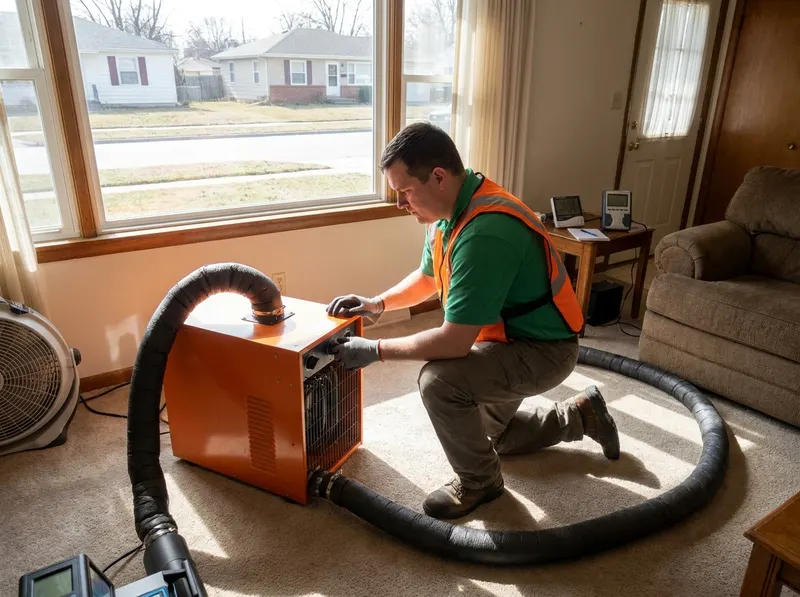
Whole-structure thermal remediation suits heavy infestations or properties with extensive clutter where chemical spray applications fail to reach concealed harborage areas. Raising indoor air to a lethal holding zone of 122°F for at least 90 minutes eliminates adult bed bugs, nymphs, and embryonic eggs simultaneously. In contrast, standard residual liquid insecticides require multiple follow-up visits over 4 to 6 weeks and depend heavily on insects physically crossing treated barriers. The trade-off centers on preparation intensity and upfront investment: thermal remedies require homeowners to remove meltable items, heat-sensitive electronics, pressurized canisters, and family pets prior to service, while offering single-day resolution without long-term chemical deposits on sleeping surfaces.
Older construction framing found across Douglas County, particularly in historic two-story residences in Dundee, Field Club, and Minne Lusa, features thick plaster lath, deep baseboard cavities, and settle-cracks that shield pests from liquid contact. Industrial high-velocity air movers force heated air deep into these structural voids, behind electrical faceplates, and under hardwood tongue-and-groove flooring. For suburban builds in Millard, Elkhorn, and Aksarben Village, high-capacity forced-air heaters maintain steady, regulated thermal thresholds throughout carpeted bedrooms, basement framing, and central HVAC ductwork without damaging finished drywall or wood subfloors.
Structural safety during high-temperature treatments depends on calibrated digital monitoring. Certified applicators distribute wireless thermistor sensors throughout hidden void zones, interior furniture centers, and structural subfloors to verify that core temperatures reach the mandatory 120°F lethal threshold without exceeding 135°F, which protects domestic appliances and structural adhesives. Occupants, along with dogs, cats, houseplants, and prescription medications, must vacate the treated envelope for the entire 8-hour operational window. Properties cool naturally within 2 to 4 hours post-treatment, permitting families to sleep in treated bedrooms the same evening.
Every job gets a firm, written price after a free on-site visit.
Tell us about your bed bug heat treatment job in Omaha and we'll send a clear, written quote, usually the same day.
 Zenvora Pest Shield